NEWS
Nov 29,2024
Essential Tools for Efficient Garden Pruning in China: A Comprehensive Guide
Essential Tools for Efficient Garden Pruning in China
Table of Contents
- Introduction to Garden Pruning
- The Importance of Pruning in Garden Maintenance
- Overview of Essential Pruning Tools
- 1. Pruning Shears: The Gardener's Best Friend
- 2. Loppers: For Those Hard-to-Reach Areas
- 3. Pruning Saws: For Sturdier Branches
- 4. Hedge Trimmers: Keeping Your Hedges in Check
- 5. Electric Pruners: Efficiency Meets Power
- Maintenance Tips for Your Pruning Tools
- Safety Tips for Pruning
- Conclusion: Mastering Your Gardening Skills
- FAQs about Pruning Tools and Techniques
Introduction to Garden Pruning
Pruning is an essential aspect of garden maintenance that not only promotes plant health but also enhances the aesthetic appeal of your garden. In China, where gardening is a cherished pastime, effective pruning techniques can lead to bountiful harvests and vibrant landscapes. This guide dives deep into the essential tools required for efficient garden pruning, ensuring that you are well-equipped to keep your garden thriving.
The Importance of Pruning in Garden Maintenance
Pruning serves multiple purposes in garden maintenance. It helps in controlling plant growth, removing dead or diseased branches, and encouraging new growth. Proper pruning techniques can lead to improved air circulation and sunlight penetration, which are vital for plant health. Moreover, regularly pruned plants tend to produce more flowers and fruits, making pruning an indispensable practice for any gardener.
Overview of Essential Pruning Tools
Having the right tools can significantly affect your pruning efficiency and results. Below, we will explore the top five essential tools every gardener in China should have in their toolkit for effective pruning.
1. Pruning Shears: The Gardener's Best Friend
Pruning shears, also known as hand pruners, are a fundamental tool for any gardener. They are designed for cutting small branches and stems, typically up to ¾ inch in diameter. The two main types of pruning shears are bypass and anvil shears.
Bypass Pruning Shears
Bypass pruning shears have two curved blades that slide past each other, similar to scissors. This design allows for clean cuts, making them ideal for live stems and branches. They are perfect for delicate pruning tasks, such as shaping shrubs and trimming flowers.
Anvil Pruning Shears
Anvil pruning shears feature a single sharp blade that cuts against a flat surface (the anvil). These shears are best suited for cutting dry or dead wood, as the cutting action can crush live stems.
Choosing the Right Pruning Shears
When selecting pruning shears, consider the following factors:
- **Blade Material:** High-carbon steel blades remain sharp longer but may rust. Stainless steel blades are more durable and resistant to corrosion.
- **Handle Design:** Ergonomic handles provide comfort during extended use, especially for those with larger hands.
2. Loppers: For Those Hard-to-Reach Areas
Loppers are designed for cutting thicker branches that are too large for pruning shears. They typically have long handles, giving you added leverage and reach. The recommended maximum cutting diameter for loppers is about 2 inches.
Types of Loppers
- **Bypass Loppers:** Similar to bypass pruning shears, these loppers have two blades that provide clean cuts, ideal for live wood.
- **Anvil Loppers:** These loppers work like anvil pruning shears, making them suitable for dry or dead wood.
Features to Consider
When purchasing loppers, look for:
- **Handle Length:** Longer handles offer more leverage, but ensure they are manageable for your height and strength.
- **Weight:** Lightweight materials, like aluminum, can reduce fatigue during extended use.
3. Pruning Saws: For Sturdier Branches
Pruning saws are essential for cutting larger branches that cannot be handled by shears or loppers. They come in various styles, including curved and straight blades, each suited for different cutting tasks.
Choosing the Right Pruning Saw
- **Blade Length:** Longer blades can handle larger cuts but may be harder to control for precision work.
- **Teeth Design:** Fine-toothed saws work better for smooth cuts on live wood, while coarse-toothed saws are more effective for larger, dead branches.
4. Hedge Trimmers: Keeping Your Hedges in Check
Hedge trimmers are specialized tools for shaping and trimming hedges, bushes, and shrubs. They come in manual and electric varieties, each with distinct advantages.
Manual vs. Electric Hedge Trimmers
- **Manual Hedge Trimmers:** These are ideal for small jobs and provide greater control for intricate shaping.
- **Electric Hedge Trimmers:** Perfect for larger areas, they save time and effort but require access to a power source.
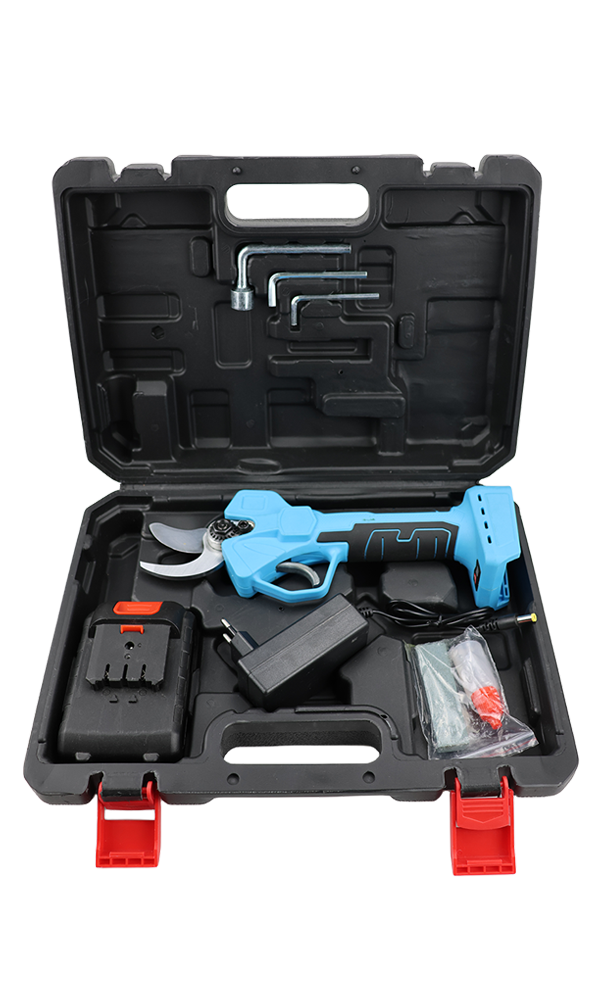
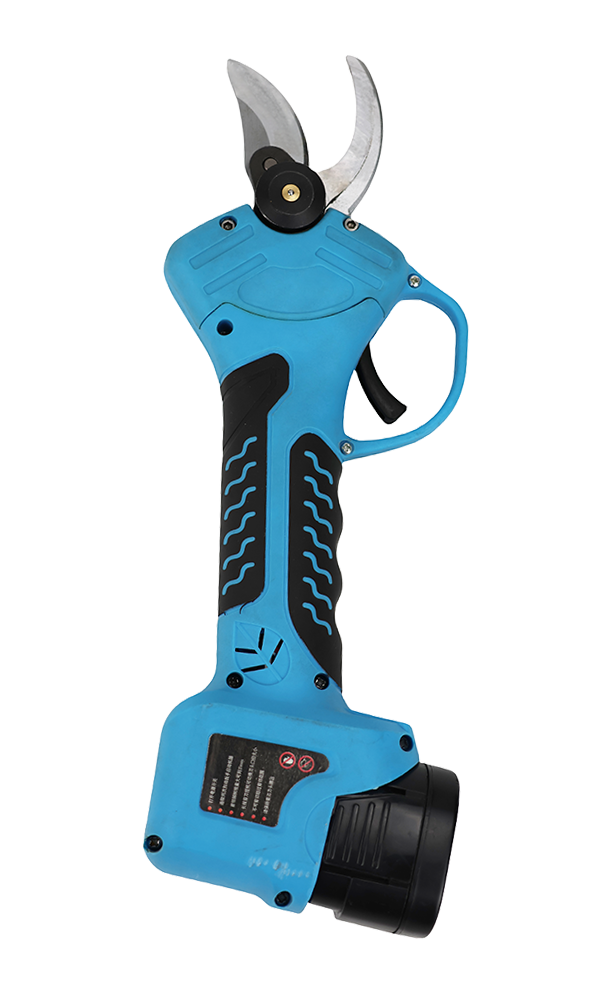
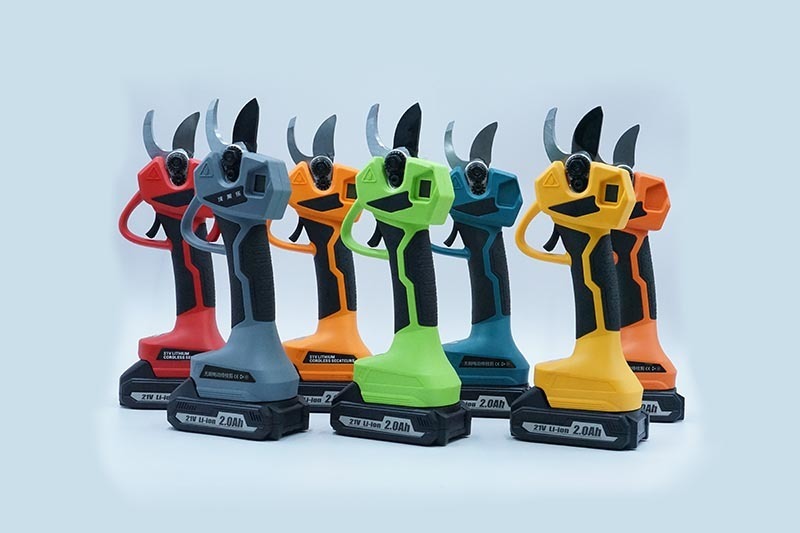
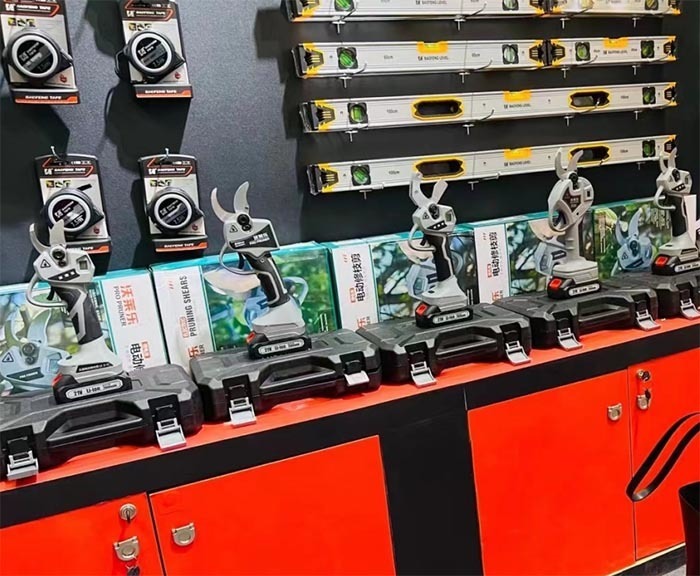
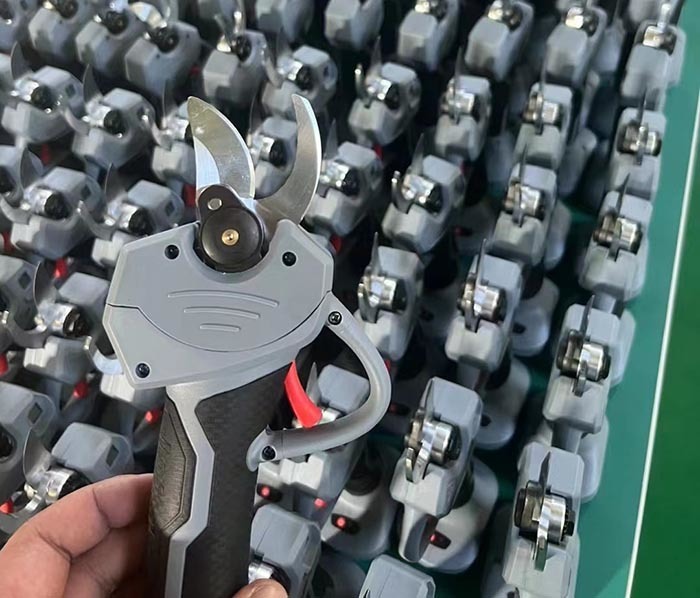
5. Electric Pruners: Efficiency Meets Power
Electric pruners are becoming increasingly popular for their ease of use and efficiency. They are particularly beneficial for those with limited hand strength or for tackling extensive pruning tasks.
Benefits of Electric Pruners
- **Ease of Use:** A simple button press does the work, making pruning less physically demanding.
- **Consistent Cuts:** Electric pruners provide uniform cutting power, which is helpful for maintaining consistent plant shapes.
Maintenance Tips for Your Pruning Tools
Proper maintenance of your pruning tools extends their lifespan and ensures optimal performance. Here are some essential maintenance tips:
Cleaning Your Pruning Tools
After each use, clean your tools with a mixture of water and soap to remove sap and debris. Rinse and dry thoroughly to prevent rust.
Sharpening Blades
Keep blades sharp by using a file or sharpening stone. Dull blades can damage plants and lead to uneven cuts.
Oiling Hinges
Apply a few drops of oil to the hinges of your tools to prevent rust and ensure smooth operation.
Safety Tips for Pruning
While pruning can be a rewarding task, safety should always be a priority. Consider the following safety tips:
Wear Protective Gear
Always wear gloves to protect your hands from cuts and scrapes. Safety goggles are also recommended to shield your eyes from falling debris.
Use Proper Techniques
Maintain a stable stance while pruning and use the right tool for each job to minimize the risk of injury.
Be Aware of Your Surroundings
Before starting, check for overhead power lines and ensure your working area is clear of obstacles.
Conclusion: Mastering Your Gardening Skills
Efficient garden pruning is an art that enhances the beauty and health of your plants. By equipping yourself with the right tools—pruning shears, loppers, pruning saws, hedge trimmers, and electric pruners—you can tackle various pruning tasks effectively. Regular maintenance of these tools ensures they remain in top condition, allowing you to enjoy gardening without frustration. With the tips and techniques outlined in this comprehensive guide, you are now well-prepared to elevate your gardening experience and create a thriving garden in China.
FAQs about Pruning Tools and Techniques
1. How often should I prune my garden plants?
The frequency of pruning depends on the type of plant. Generally, pruning is done in late winter or early spring before new growth begins.
2. What is the best time to prune flowering shrubs?
For spring-blooming shrubs, prune immediately after they finish blooming. For summer-blooming varieties, late winter or early spring is recommended.
3. Can I use kitchen scissors for pruning?
While kitchen scissors may work for small tasks, dedicated pruning tools are designed to handle plant material more effectively and safely.
4. What should I do with the cuttings after pruning?
Cuttings can be composted or used as mulch, depending on the type of plant material and any potential diseases.
5. Are electric pruners worth the investment?
If you have a large garden or struggle with hand strength, electric pruners can save time and make the task of pruning much easier.
Latest News
Mar 13,2024
BRING THE LATEST TO YOUR INBOX
We are looking forward to cooperating with more customers at home and abroad for common development. Ningbo Lei Ao Tools Co., Ltd. is your reliable partner!

FOLLOW US
No.129, Tongguang Zhangjia, Fengshan Street, Yuyao City, Ningbo, Zhejiang Province, China. / T : +86 15990551231 / E : 515703866@qq.com