NEWS
Dec 03,2024
The Best Garden Pruning Equipment for Eco-Friendly Gardening: A Comprehensive Guide
The Best Garden Pruning Equipment for Eco-Friendly Gardening
Table of Contents
- Introduction to Eco-Friendly Gardening
- The Importance of Pruning in Sustainable Gardening
- Types of Pruning Tools for Eco-Conscious Gardeners
- Manual Pruning Tools: A Closer Look
- Electric Pruning Tools: Efficiency Meets Sustainability
- How to Choose the Right Pruning Tool
- Essential Pruning Techniques for Healthy Plants
- Eco-Friendly Practices in Gardening
- Conclusion
- FAQs About Eco-Friendly Gardening and Pruning
Introduction to Eco-Friendly Gardening
In today's world, where environmental consciousness is paramount, adopting eco-friendly gardening practices is not just a trend—it's a necessity. Eco-friendly gardening emphasizes sustainability, biodiversity, and the health of our ecosystems. Pruning plays a critical role in maintaining plant health, promoting growth, and enhancing the overall aesthetics of your garden. Choosing the right equipment is essential for effective pruning.
The Importance of Pruning in Sustainable Gardening
Pruning is essential for several reasons:
1. **Enhancing Growth**: Proper pruning encourages healthy growth by removing dead or diseased branches, allowing plants to thrive.
2. **Improving Air Circulation**: By thinning out dense foliage, pruning improves air circulation, which can reduce the risk of fungal diseases.
3. **Encouraging Blooming**: Certain plants respond well to pruning by producing more flowers and fruits, enhancing the garden's beauty and productivity.
As we delve deeper into the best garden pruning equipment for eco-friendly gardening, it’s crucial to select tools that align with sustainable practices.
Types of Pruning Tools for Eco-Conscious Gardeners
The market offers a variety of pruning tools, from manual options to electric powered ones. Each type has its unique advantages, and understanding these can help you make the best choice for your gardening needs.
Manual Pruning Tools: A Closer Look
Manual tools are often favored by eco-friendly gardeners due to their simplicity and minimal environmental impact. Here are some of the most effective manual pruning tools:
- **Hand Pruners**: Also known as secateurs, these are ideal for cutting small branches and stems. Choose models with ergonomic handles for comfort during extended use.
- **Loppers**: For thicker branches, loppers provide the leverage needed to make clean cuts without excessive force. Look for lightweight options with a comfortable grip.
- **Pruning Saws**: When faced with larger branches, a pruning saw is indispensable. A well-designed saw will enable you to make swift, clean cuts while minimizing damage to the plant.
Electric Pruning Tools: Efficiency Meets Sustainability
Electric pruning tools are gaining popularity due to their efficiency and power. They can significantly reduce the effort required for larger pruning tasks. Here are a few options:
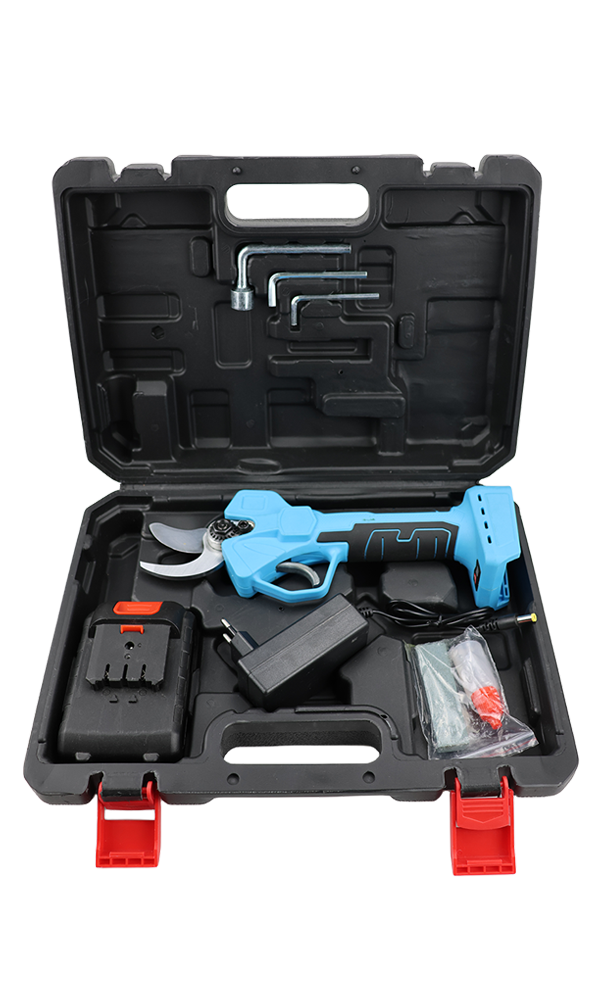
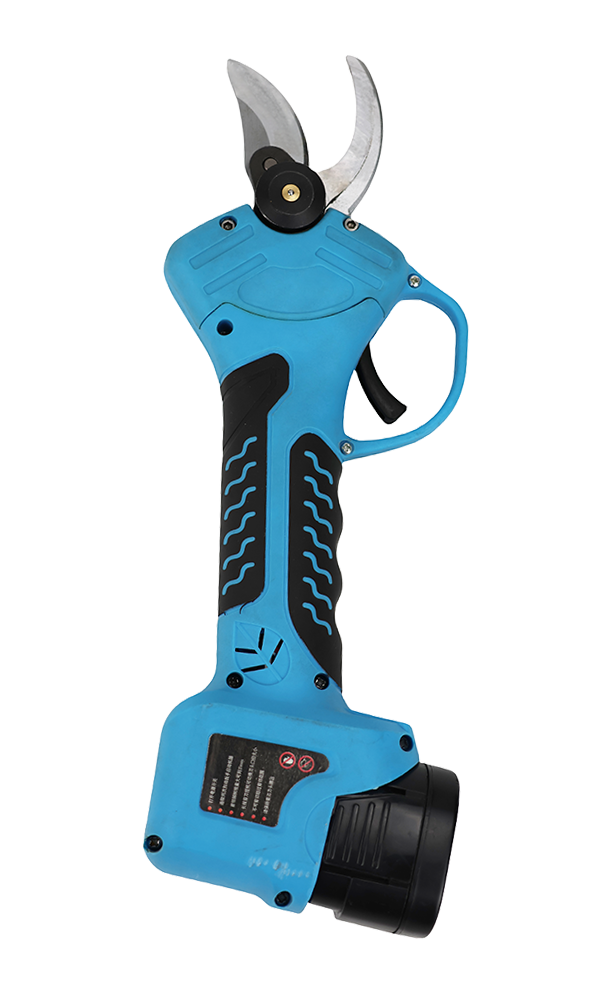
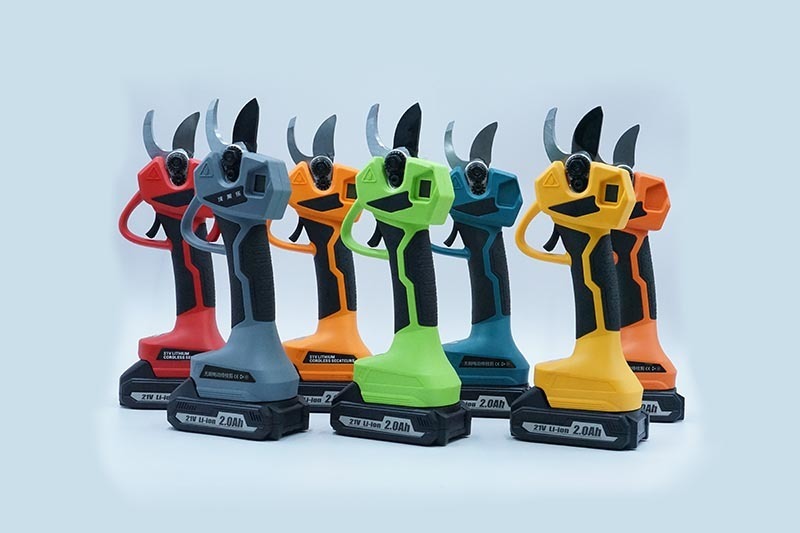
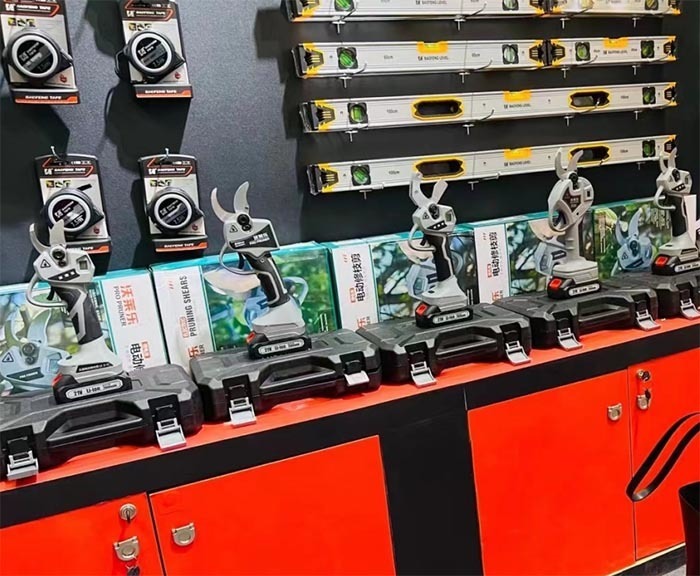
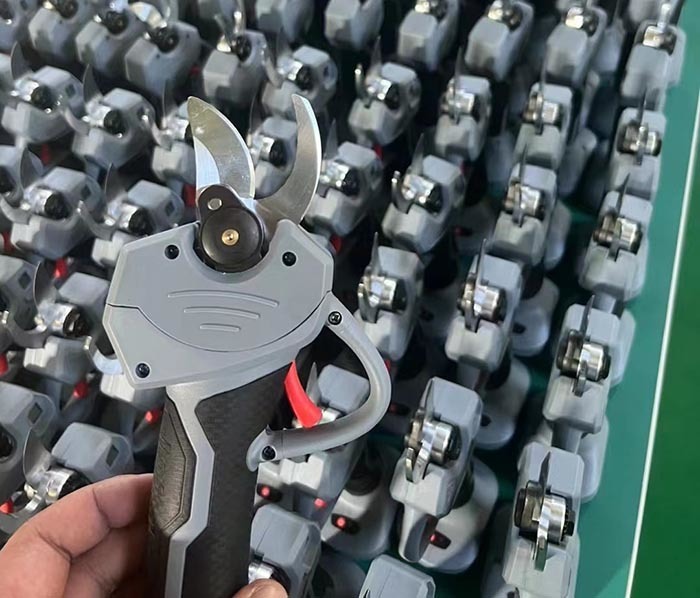
- **Electric Pruners**: These battery-powered tools are perfect for those with limited hand strength or for extensive pruning tasks. They can handle various thicknesses and save time.
- **Cordless Hedge Trimmers**: Ideal for shaping and maintaining hedges, cordless models are easy to maneuver and offer freedom of movement without the hassle of cords.
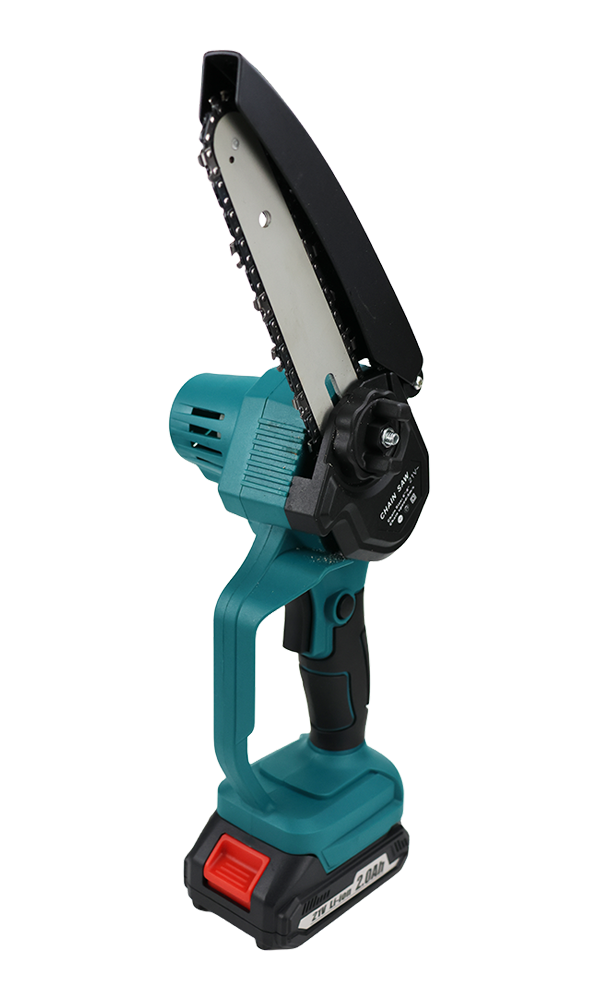
- **Electric Chainsaws**: For larger projects that require cutting thick branches, an electric chainsaw can be a great choice. They are quieter and produce fewer emissions compared to gas-powered models, making them an eco-friendlier option.
How to Choose the Right Pruning Tool
Selecting the appropriate pruning tool involves several considerations:
1. **Type of Plants**: The type of plants and their sizes will dictate which tools you need. Assess your garden to determine the tools best suited for your needs.
2. **Comfort and Ergonomics**: Look for tools that feel comfortable in your hands, especially if you plan to use them for prolonged periods. Ergonomic designs can reduce strain and improve efficiency.
3. **Sustainability**: Opt for tools made from sustainable materials and those that prioritize durability to minimize waste. Consider brands with eco-friendly practices.
Essential Pruning Techniques for Healthy Plants
Mastering pruning techniques is vital for achieving optimal results. Here are key techniques every gardener should learn:
- **Thinning**: This technique involves selectively removing branches to improve air circulation and light penetration. It’s especially useful for dense shrubs and trees.
- **Heading Back**: Cutting back the tips of branches encourages bushier growth. This technique is great for shaping plants and controlling their size.
- **Renewal Pruning**: For older shrubs, this method involves cutting them back significantly to promote new growth from the base. It helps rejuvenate the plant and improve its vigor.
Eco-Friendly Practices in Gardening
In addition to using the right tools and techniques, adopting eco-friendly practices can further enhance your gardening efforts:
- **Composting**: Utilize organic waste to create compost, enriching your soil naturally and reducing the need for chemical fertilizers.
- **Native Plants**: Opt for native plants that require less water and maintenance, supporting local wildlife and ecosystems.
- **Mulching**: Protect your soil and plants with organic mulch, which conserves moisture, suppresses weeds, and adds nutrients as it breaks down.
Conclusion
Selecting the best garden pruning equipment is a crucial step toward nurturing a thriving, eco-friendly garden. By understanding the importance of pruning, the types of tools available, and sustainable practices to implement, we can enhance our gardening experience while minimizing our environmental impact. Whether you choose manual tools for their simplicity or electric options for efficiency, the right equipment can transform your gardening journey.
FAQs About Eco-Friendly Gardening and Pruning
1. What are the main benefits of eco-friendly gardening?
Eco-friendly gardening promotes biodiversity, conserves resources, and fosters a healthier environment. It encourages sustainable practices that benefit both plants and the ecosystem.
2. How often should I prune my garden plants?
The frequency of pruning depends on the type of plant and its growth habits. Generally, regular pruning every few months helps maintain health and growth.
3. Are electric pruning tools better than manual tools?
Electric tools can save time and effort, especially for extensive tasks. However, manual tools provide more control and are often lighter, making them preferred for delicate work.
4. What materials should I look for in pruning tools?
Choose tools made from high-quality, durable materials, such as stainless steel blades and comfortable, ergonomic handles. Sustainable options are also available.
5. How can I ensure my pruning practices are eco-friendly?
Utilize sustainable tools, compost garden waste, and adopt techniques that promote plant health and biodiversity, such as using organic methods and native plants.
By following this guide, gardeners can effectively contribute to a healthier ecosystem while enjoying the many benefits of pruning in their green spaces.
Latest News
Mar 13,2024
BRING THE LATEST TO YOUR INBOX
We are looking forward to cooperating with more customers at home and abroad for common development. Ningbo Lei Ao Tools Co., Ltd. is your reliable partner!

FOLLOW US
No.129, Tongguang Zhangjia, Fengshan Street, Yuyao City, Ningbo, Zhejiang Province, China. / T : +86 15990551231 / E : 515703866@qq.com