NEWS
Dec 27,2024
Mastering Your Garden: A Comprehensive Guide to Creating a Pruning Schedule with Electric Fruit Tree Pruners
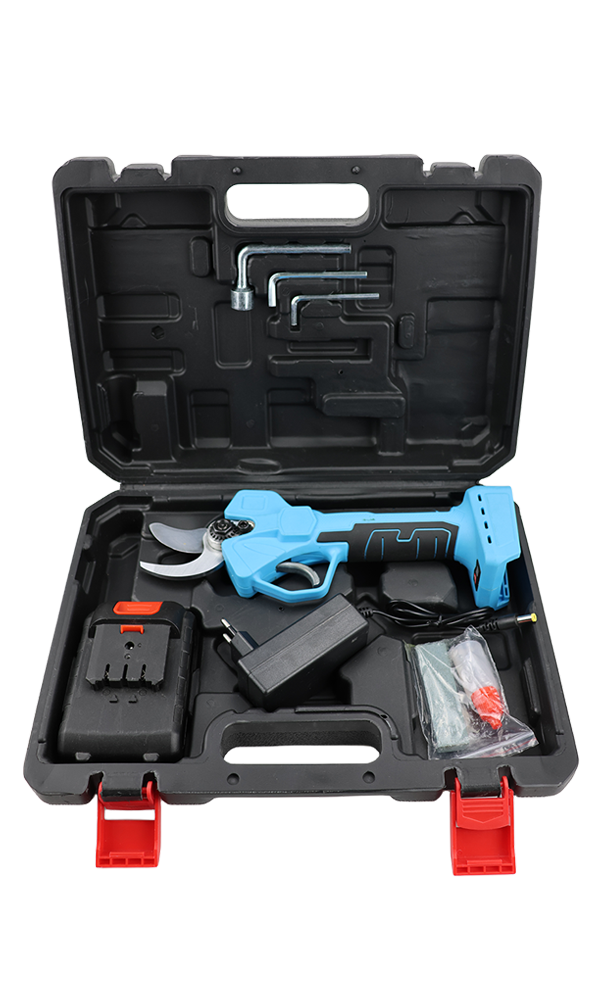
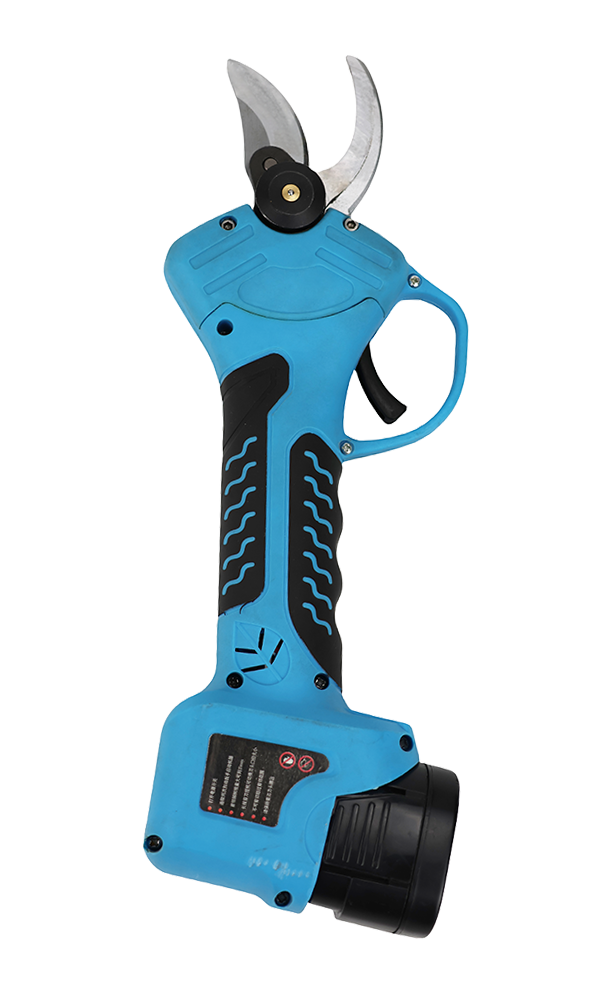
Creating a Pruning Schedule with Electric Fruit Tree Pruners
In the world of horticulture, pruning is not just a seasonal task; it is an essential practice that determines the health and productivity of your fruit trees. With the advent of electric fruit tree pruners, the challenge of maintaining a well-pruned orchard has become significantly easier and more efficient. In this comprehensive guide, we will delve into **creating a pruning schedule that maximizes your yields** while minimizing stress on your trees.
Understanding the Importance of Pruning
Pruning is the process of removing specific parts of a plant, such as branches or buds, to enhance its growth and fruit production. Here’s why developing a pruning schedule is crucial:
Promotes Healthy Growth
Regular pruning encourages healthy growth by removing dead or diseased branches, allowing more sunlight to reach the tree’s core. This ensures better air circulation, reducing the risk of fungal diseases.
Enhances Fruit Quality and Yield
Strategic pruning can lead to improved fruit quality and yield. By thinning out branches, trees can focus their energy on producing fewer but larger and tastier fruits.
Facilitates Easier Harvesting
A well-pruned tree is easier to manage and harvest from. An organized structure allows for efficient picking, reducing labor and time during harvest.
Choosing the Right Electric Fruit Tree Pruner
Investing in the right electric fruit tree pruner is vital for effective pruning. Here are key features to look for:
Power and Battery Life
A pruner with a robust battery life ensures that you can tackle larger jobs without interruption. Look for models with at least 2-3 hours of battery life for extensive pruning sessions.
Weight and Ergonomics
Choose a model that is lightweight and ergonomically designed to reduce fatigue during extended use. Comfort is key when working in the garden for hours.
Blade Quality and Maintenance
High-quality, durable blades can make all the difference. Look for pruners with easy-to-change blades and those that offer self-sharpening features to maintain cutting efficiency.
When to Prune: Understanding the Pruning Calendar
Creating an effective pruning schedule requires understanding the optimal times for pruning various types of fruit trees.
Winter Pruning
Winter is often considered the best time to prune fruit trees. During dormancy, the trees are less stressed, and it’s easier to identify the structure of the tree without leaves. Aim to prune during late winter, just before spring growth begins.
Summer Pruning
Summer pruning can be beneficial for controlling growth and shaping trees. This method focuses on removing excess growth and improving air circulation. It’s particularly useful for trees that tend to grow vigorously.
Post-Harvest Pruning
After harvest, a light pruning can help restore the tree and prepare it for dormancy. This is an excellent time to remove any dead or diseased branches that may have developed during the growing season.
Creating Your Pruning Schedule
Developing a pruning schedule involves evaluating your orchard’s specific needs. Here’s how to create a tailored plan:
Assess Your Trees
Start by assessing the health and growth patterns of each tree. Identify which trees need more attention based on their structure and the amount of fruit they produced the previous season.
Design a Calendar
Using a calendar, mark the best times for winter, summer, and post-harvest pruning for each tree. Include reminders for maintenance tasks, like sharpening pruner blades or checking battery levels.
Record Progress
After each pruning session, record what you cut and any observations about the tree’s health. This data will help refine your future pruning strategies.
Techniques for Effective Pruning
Mastering specific pruning techniques can significantly enhance your results.
Thinning Cuts
Thinning cuts remove entire branches, allowing for better air circulation and light penetration. This is ideal for improving fruit quality.
Heading Cuts
Heading cuts involve shortening a branch to encourage bushier growth. This technique is useful when managing the height of your trees.
Renewal Pruning
Renewal pruning focuses on removing older branches to promote new growth. This is particularly effective in older fruit trees that have seen diminished yields.
Maintaining Your Electric Fruit Tree Pruners
Proper maintenance ensures that your electric pruners perform well throughout the season.
Regular Cleaning
After each pruning session, wipe down the blades with a clean cloth to remove sap and debris. This helps maintain cutting efficiency.
Sharpening Blades
Regularly sharpen the blades according to the manufacturer’s instructions. Sharp blades cut cleanly, reducing stress on the tree.
Battery Care
Take care of the battery by fully charging it after each use and storing it in a cool, dry place. Avoid overcharging to extend its lifespan.
Common Mistakes to Avoid When Pruning
Even seasoned gardeners can make mistakes when pruning. Here are common pitfalls to avoid:
Over-Pruning
Removing too much foliage can shock the tree, leading to poor growth and fruiting. Always adhere to the one-third rule: do not remove more than one-third of a tree's canopy in a single season.
Ignoring Tree Types
Different fruit trees have unique needs and growth patterns. Understand the specific requirements of each species in your orchard to ensure proper pruning.
Pruning at the Wrong Time
Timing is essential. Pruning too early in the spring can expose trees to frost damage, while late pruning can interrupt new growth. Always plan according to the season.
Frequently Asked Questions (FAQs)
What is the best time of year to prune fruit trees?
Winter is typically the best time to prune, but summer pruning has its benefits as well.
How often should I prune my fruit trees?
Aim for annual pruning to maintain tree health and productivity.
Can I prune my trees too much?
Yes, over-pruning can harm the tree. Follow the one-third rule to avoid excessive removal.
What are the benefits of using electric pruners?
Electric pruners reduce fatigue, provide consistent power, and can handle thicker branches compared to manual pruners.
How do I know if my pruners need sharpening?
If the pruners struggle to cut through branches cleanly or leave ragged edges, it’s time to sharpen them.
Conclusion
Creating a pruning schedule with electric fruit tree pruners is not merely a task; it is an art that enhances the beauty and productivity of your orchard. By understanding the importance of pruning, choosing the right tools, and mastering effective techniques, you can cultivate healthy fruit trees that yield abundant, high-quality fruits. Regular maintenance of your equipment and a thorough pruning calendar will ensure you never miss a crucial pruning window. Your efforts will result in a thriving garden that not only feeds your family but also brings joy and satisfaction for years to come.
Latest News

Mar 13,2024
BRING THE LATEST TO YOUR INBOX
We are looking forward to cooperating with more customers at home and abroad for common development. Ningbo Lei Ao Tools Co., Ltd. is your reliable partner!

FOLLOW US
No.129, Tongguang Zhangjia, Fengshan Street, Yuyao City, Ningbo, Zhejiang Province, China. / T : +86 15990551231 / E : 515703866@qq.com